

CGI Studios Are Evolving Beyond Visualization: The OMEGA Case

Omega's work on the Zenith development covers every visual touchpoint of a project's brand
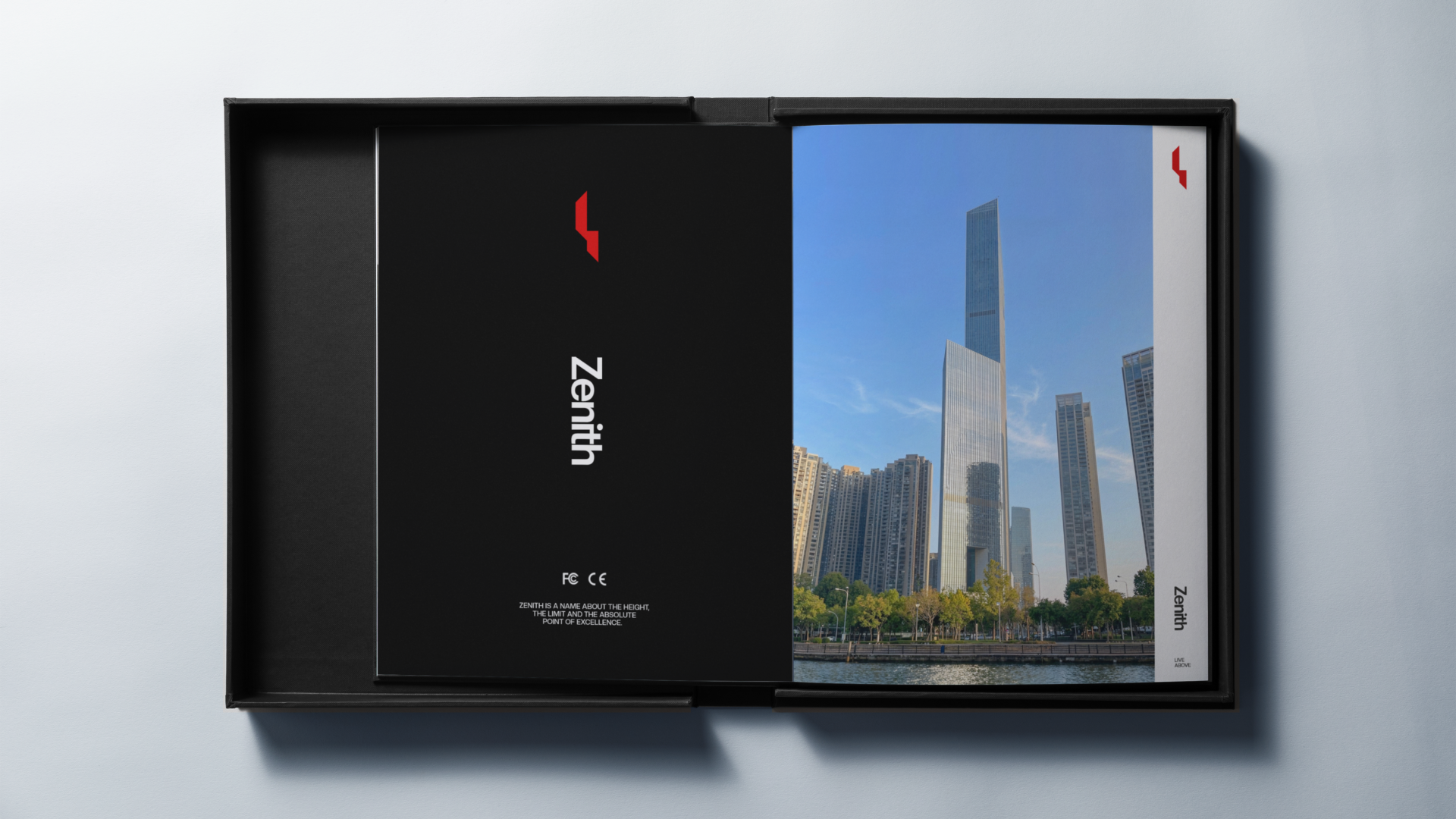
Omega's brand system for Zenith extends into physical sales materials, including a custom presentation box and printed brand book.
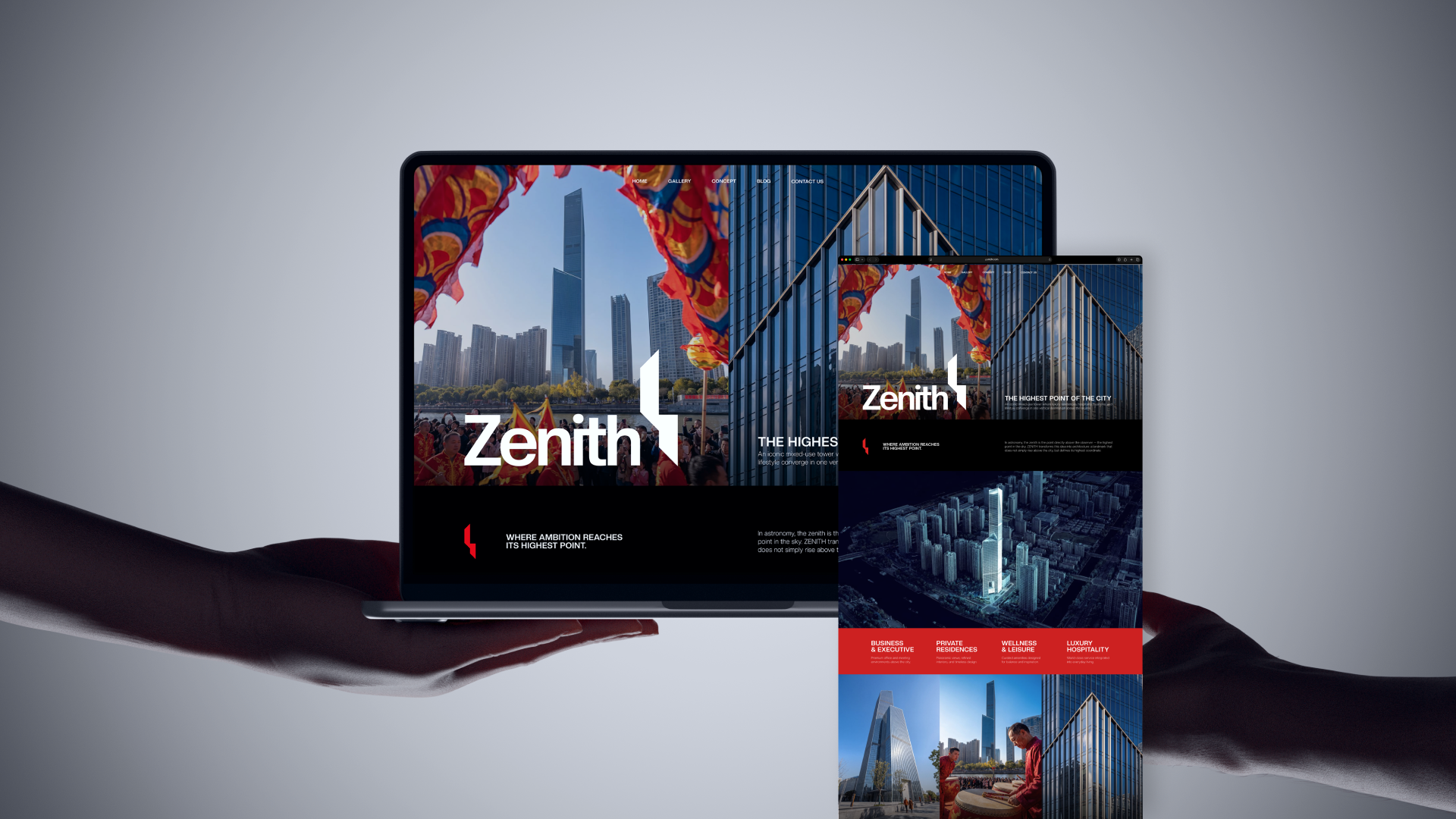
The Zenith brand carries through to digital channels, with a fully designed project website.
Omegarender expands beyond CGI production to offer branding, positioning, and full-scale marketing systems for real estate developers worldwide.
Today, this role is changing, as archviz studios evolve into full-service marketing partners for development companies.
In a market where the first contact with a real estate project often happens online, strong images are no longer enough on their own. A rendering may appear on a website, in an investor deck, in a sales presentation, in paid ads, on social media, or inside a virtual showroom. But if these materials are not connected by a clear idea, the project can still feel fragmented.
This is why CGI studios are increasingly moving beyond image production. Their work is becoming more strategic — helping developers define not just how a project should look, but how it should be positioned, explained, remembered, and sold.
This expanded offering may include branding, naming, visual identity, market analysis, project concept development, and target audience definition — a broader range of services traditionally provided by marketing agencies specializing in real estate.
From visualization to project storytelling
The shift reflects a broader change in real estate marketing. Visual content is no longer just a beautiful representation of architecture — it has become part of the project's commercial logic.
Before an image is created, several strategic questions often need to be answered: what should the viewer understand first, which audience is the project speaking to, and what makes this development different from others in the market. For developers, these questions are directly connected to marketing and sales performance — and increasingly, they're becoming part of the CGI studio's creative process too.
Why images alone are no longer enough
Real estate projects are becoming more complex to present. Premium residential, hospitality, mixed-use, and international developments often need to communicate with several audiences at once — buyers, investors, operators, brokers, and partners — and that communication must feel consistent across all of them.
A simple accumulation of disconnected renderings can show the architecture, but it may not explain the full value of the project. Developers often need a broader system around the visuals: positioning, naming, brand story, sales materials, digital tools, and content across marketing channels.
This is where the role of CGI studios is expanding. As a result, the studio can become not only a production partner but also a strategic partner in how the project is presented to the market.
The new role of CGI studios
The transformation does not mean that CGI studios stop producing architectural visuals. Visualization remains the core expertise. But the context around it is becoming wider.
A more integrated approach may include several layers:
• project intelligence and market analysis;
• positioning and audience definition;
• property naming and branding;
• visual language and creative direction;
• architectural visualization and animation;
• sales decks, investor presentations, and fact sheets;
• property websites, landing pages, and interactive tools;
• social media, advertising, and launch content.
Together, these elements would form the basis of a more complete sales and marketing system for a development project — making sure every visual, message, and digital touchpoint supports the same idea.
The OMEGA case
One example of this shift is OMEGA, an architectural visualization studio that has expanded beyond CGI production.
The studio continues to create high-end architectural imagery, but is also developing a broader direction focused on real estate marketing strategy, branding, visual language, and digital presentation tools.
According to OMEGA, this change grew naturally from its day-to-day work with developers, hotel operators, and real estate marketing teams. Clients often came not only with a request for images, but with unresolved strategic questions: what story the project should tell, which audience it should speak to, and how the sales materials should be structured.
In OMEGA's case, this thinking has been structured into a modular system of services across strategy, branding, visualization, sales experience, marketing content, and digital infrastructure — not a fixed package, but a combination of tools chosen per project.
This modular approach reflects a larger tendency in the market: developers need flexibility, but they also need consistency across every format and channel.
A response to a changing market
For many buyers or investors, the first impression happens long before they visit the site — through a website, a video, a digital presentation, an advertisement, a broker deck, or a virtual showroom. In this environment, CGI becomes more than a visual asset — it becomes part of the project's communication strategy.
As a result, the boundary between architectural visualization, branding, marketing, and sales experience is becoming less rigid. CGI studios aren't replacing marketing agencies, but some are taking on a broader role in the project launch ecosystem.
Beyond beautiful images
CGI studios still produce photorealistic building designs, but their new frontier is explaining why design should matter — why the project is significant, who it's for, and how every visual touchpoint can support its market positioning.
OMEGA's new direction shows how architectural visualization studios can evolve from image makers into strategic partners for developers — not by abandoning CGI, but by placing it inside a larger system of branding, storytelling, sales, and digital experience.
Oleksandr Melnyk
OMEGA
email us here
Visit us on social media:
LinkedIn
Instagram
Legal Disclaimer:
EIN Presswire provides this news content "as is" without warranty of any kind. We do not accept any responsibility or liability for the accuracy, content, images, videos, licenses, completeness, legality, or reliability of the information contained in this article. If you have any complaints or copyright issues related to this article, kindly contact the author above.
